


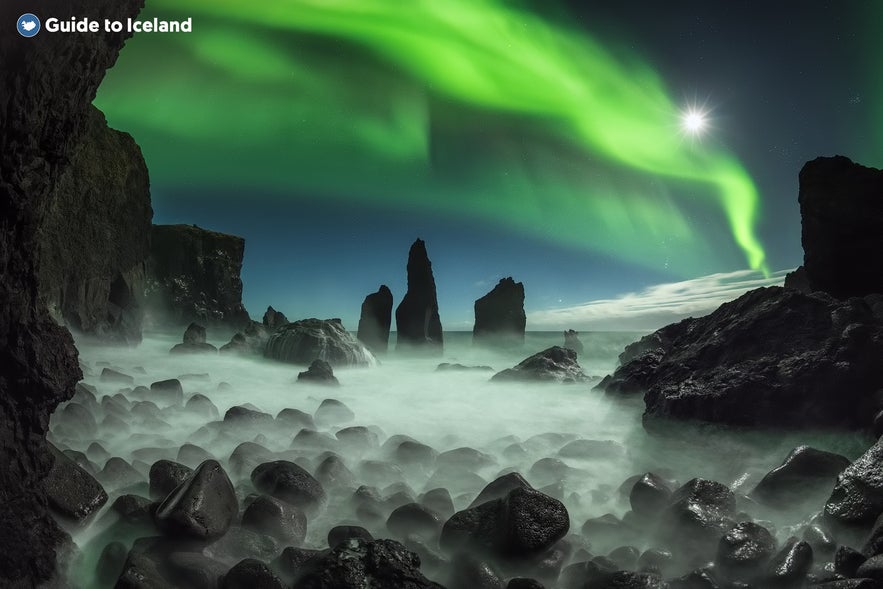

Learn all you need to know about witnessing the northern lights in Iceland with this comprehensive guide. Find the best locations for spotting the aurora borealis and uncover the ideal times of year to experience this natural wonder.
Heading out and going hunting for the northern lights is on the bucket list of many people. When the sky is clear during the dark winter in Iceland, you can spot them dancing in the sky in vibrant green, purple, and red colors. Combined with the stunning nature you can experience on vacations in Iceland, it’s a truly incredible sight.
Guide to Iceland is the most trusted travel platform in Iceland, helping millions of visitors each year. All our content is written and reviewed by local experts who are deeply familiar with Iceland. You can count on us for accurate, up-to-date, and trustworthy travel advice.
The sun recently reached the solar maximum in the 11-year solar cycle, making 2025 and 2026 some of the best years in over a decade to spot the northern lights!
The easiest way to see this natural phenomenon is to book guided tours that will take you to where the aurora is strongest and the light pollution is low enough for great visibility. Alternatively, you can stay in northern lights hotels; some even offer to give you a wake-up call when the aurora appears.
Another option is to rent a car and drive away from towns and cities and head to the countryside, where it’s totally dark. You can check the northern lights forecast in Iceland before heading out to make sure there’s no cloud coverage and how active the aurora is on a scale from 0 to 9.
Keep reading to learn all you need to know about the northern lights in Iceland, including when you can see them, how to read the forecast, what the best conditions are, and more!
What Are the Northern Lights?

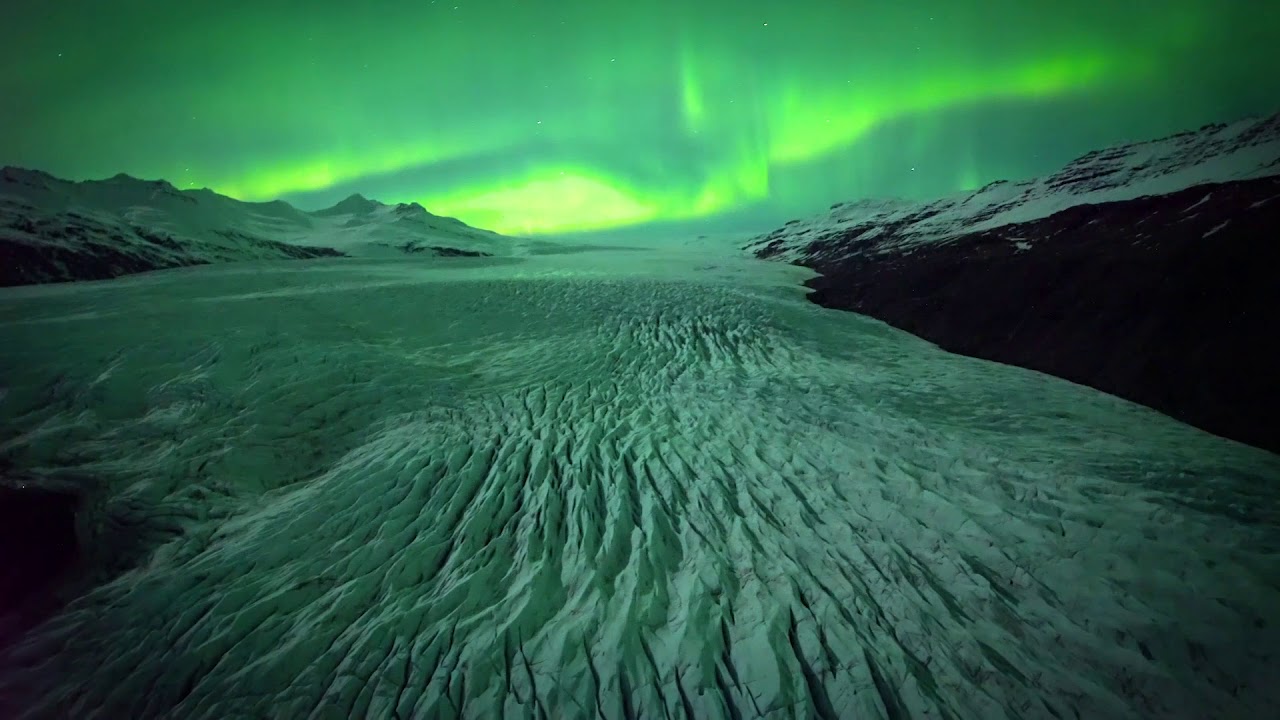

Dancing in the skies above the land of ice and fire, these striking green lights are a true natural wonder. Yet, many don’t know what they are.
The northern lights, also known as the aurora borealis, are the visible result of solar particles entering the Earth’s magnetic field and ionizing high in the atmosphere. The ionization gives them their colors, usually green, but occasionally purple, red, pink, orange, and blue.
However, solar activity isn’t reliable and can be sporadic. So, even during a dark, clear night, Iceland might not have any northern lights. On the flip side, northern lights can occur in the atmosphere on a midsummer day, but the sun’s brightness prevents you from viewing them.
The Science Behind the Northern Lights
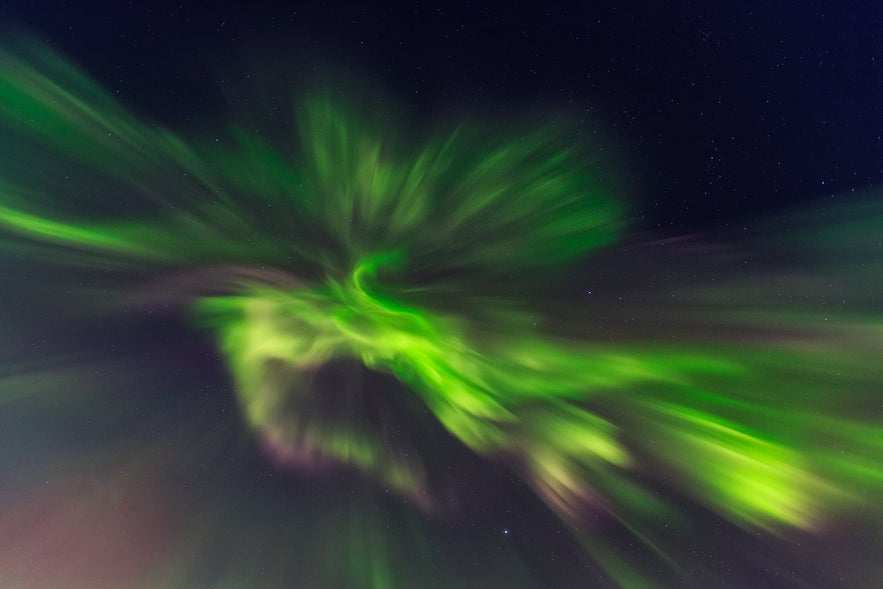
Auroras occur at both poles; aurora borealis in the north and aurora australis in the south. Iceland, at latitude 64°N, sits directly beneath the northern auroral oval, which is why it is one of the best places on Earth to see the northern lights.
The color depends on the type of gas and the altitude:
-
Green – oxygen at lower altitudes (the most common).
-
Red – oxygen at very high altitudes, during intense storms.
-
Blue and purple – nitrogen molecules reacting with solar particles.
The sun follows an 11-year cycle of activity, ranging from quiet years to dramatic peaks called solar maximum. Solar Cycle 25 began in 2019 and reached its maximum in 2025, producing powerful aurora storms across Iceland. The peak continues into 2026, meaning travelers can expect frequent and vivid northern lights displays also in the coming year!
Mythology and Legends of the Northern Lights in Iceland

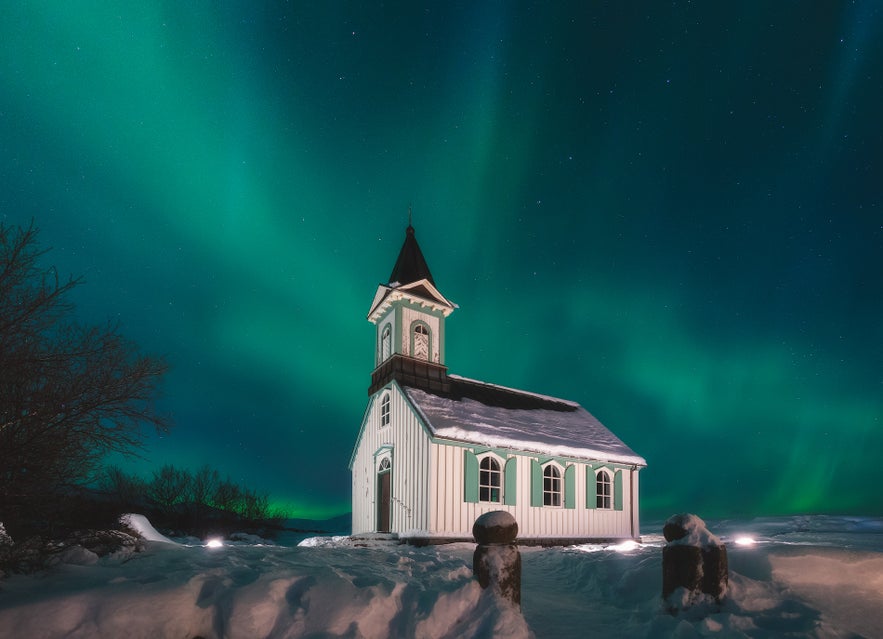
Before science could explain the source of the dancing lights in the sky, different people told many stories about their origins. Strangely, the folklore about the aurora is richer in other parts of the world compared to Iceland.
Modern scholars have theorized that the Old Norse people might have thought the northern lights were the glinting of the shields and armors of the Valkyries. The Valkyries were female figures who guided warriors who died in battle to Valhalla. However, there are no mentions of the northern lights in the old Icelandic sagas, so these are just speculations.
In Finnish, the word for northern lights is “revontulet” which translates to “firefox.” The Sami people of Finnish Lapland thought that the lights resulted from the firefox running across the snow so quickly that his tail threw sparks into the sky.
The auroras have also been considered omens. After Christianization in Medieval Europe, people saw them as a warning for dark times ahead.
Today, we understand the northern lights as a beautiful result of natural forces at play between the sun and Earth’s magnetic field. However, their mesmerizing glow continues to inspire awe and wonder, just as they did centuries ago.
link