



Clarissa is a solo traveler who has been to 71 countries on the backpacker’s budget, or $30 per day.
Snap!
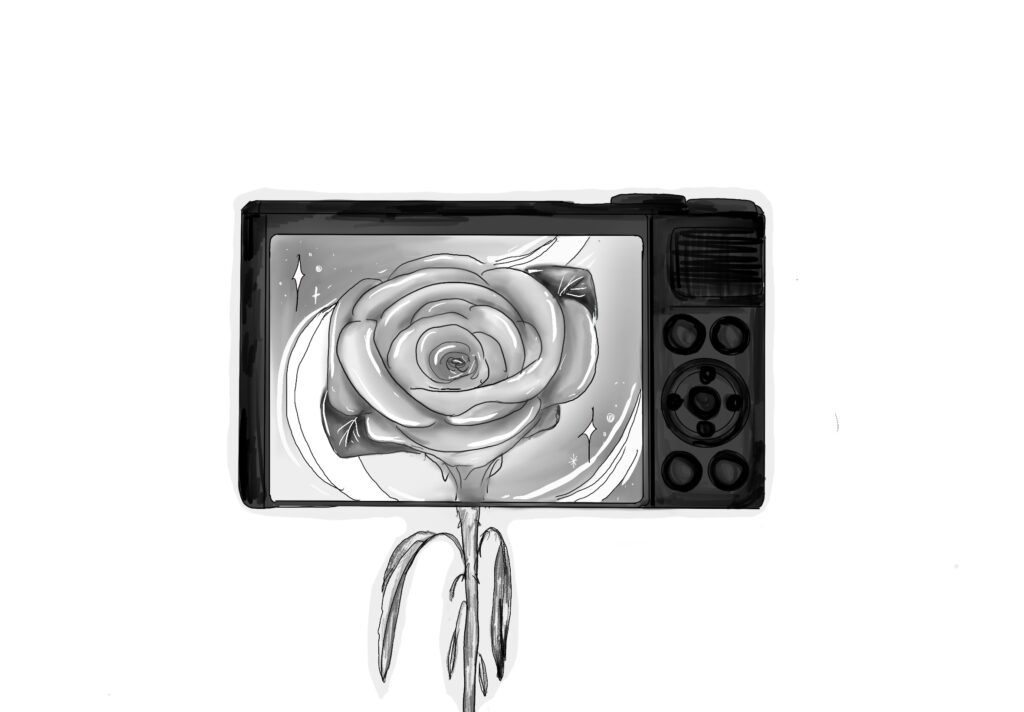
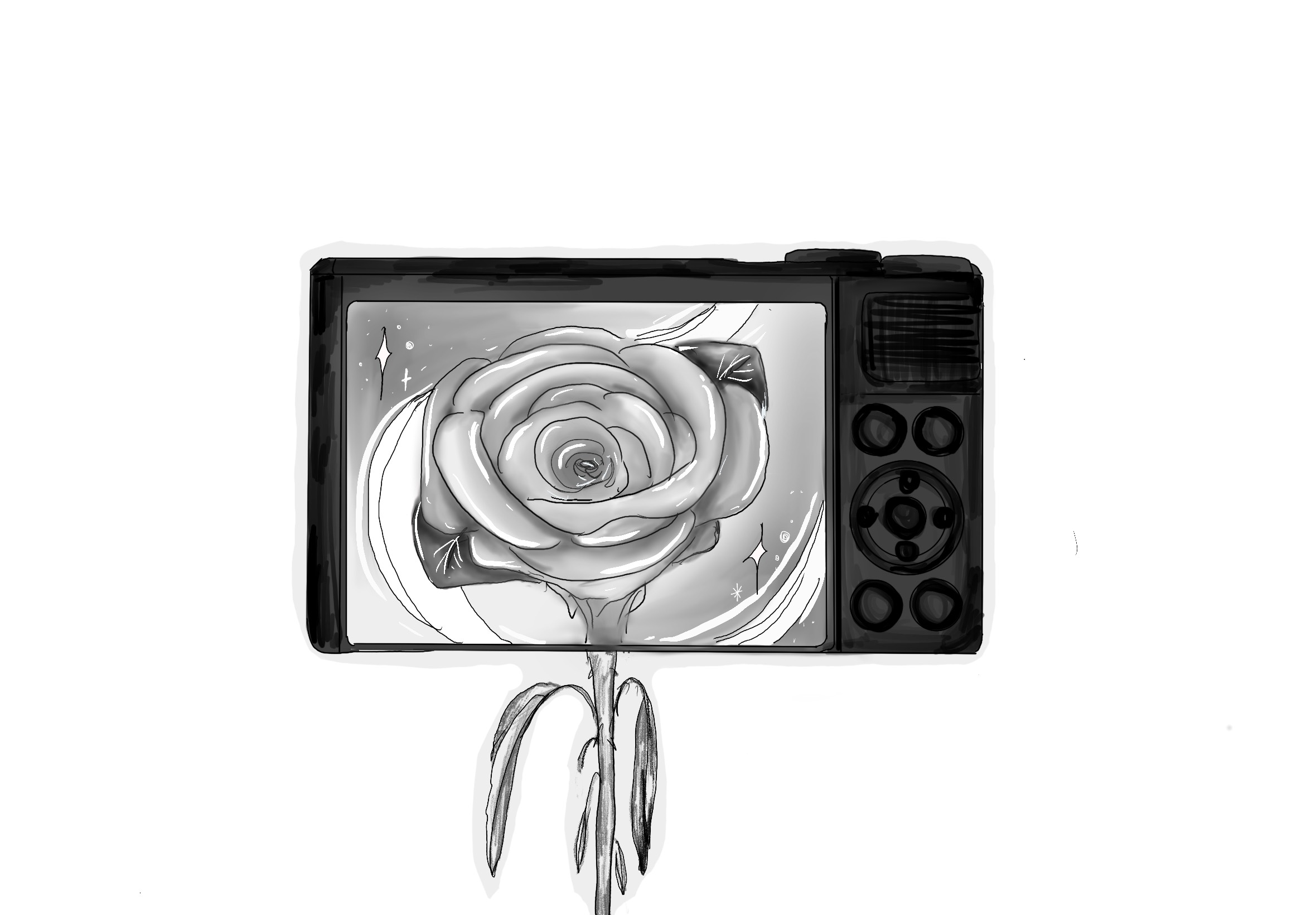
I lower my phone from the scene before me — a two-lane street cluttered with four cars side by side, motorbikes weaving in and out, trash, cows and dust curling in the heat. To many, this city might look “underdeveloped,” chaotic. And yet, I find it oddly pretty. With just a few taps of my Clarissa Lightroom presets circa 2018 — up the warmth, boost the pinks, saturate the teal — I have a picture-perfect Insta-worthy photo.
We love to romanticize the foreign. Things that are mundane — or even frustrating — for locals suddenly becomes “aesthetic” when filtered through the eyes and lenses of travelers. A broken-down bus becomes “authentic,” street clutter turns into “local flavor” and chaotic markets are reimagined as vibrant cultural experiences. Magazines and guidebooks like Condé Nast Traveler or Lonely Planet thrive on cinematic snapshots curated for wanderlust — saturated sunsets, cobblestone streets and spice-laden markets — glossing over the more complicated, less picturesque realities of everyday life.
Is this fake advertising? Maybe not. Anyone can snap a photo and edit it to look artsy. I do it all the time. I take pictures of anything and everything, then run them through my signature Clarissa Lightroom filter until they’re vivid, alluring and undeniably foreign. Yet, when I pass similar scenes back home, I might label them as run-down or unremarkable. Why does everything foreign feel more poetic?
It’s not even that I’m bored with my home life. Despite what the number of stamps on my passport might suggest, I’m quite happy in the United States. I’ve had the same visual aesthetic for years now, even back home. My friends like to joke that I see the world through my “Clarissa filter,” with a soft wash of pink, teal skies, golden grass and warm saturated tones that glow until it almost hurts. I know the world doesn’t actually look like that. But is it wrong to edit a photo into something more dreamlike? Isn’t that kind of the point of editing — to make reality feel a little more creative, a little more yours? Maybe. Or if we associate beauty with what’s unfamiliar, maybe editing is just another way to fortify the foreign in our daily lives.
A picture is worth a thousand words, but there are probably a thousand more words to describe what the picture conveniently edits away.
Take Yanar Dagh in Azerbaijan. It’s called the “pit of hell,” a dramatic, awesome-looking fire cave burning perpetually. Google it; it’s cool. But in person, it’s just a tiny flame in a crack in the rock in the middle of nowhere. A classic case of expectation versus reality — very underwhelming.
When I flew to Iceland, I was excited to see the Northern Lights from the plane. But the Northern Lights are grey wisps of clouds. You have to really squint your eyes to see them. That purple and green you see online is mostly edited — an effect I was also able to achieve through extensive Lightroom activity. Who cares? No, I didn’t exactly see it like that with my eyes, but at least I have a beautiful photo of dancing purple and green Northern Lights in Iceland. That photo exists on my phone — and in some way, it feels just as real. I can almost gaslight myself into believing that’s what I saw. And obviously I don’t want my photos to look worse than everyone else’s, especially if I’m gonna post this trip. Isn’t that interesting? The culture of maintaining a highly-curated travel profile is one that self-perpetuates.
I guess you could call me superficial for my constant desire to consume beauty. My excuse is that I’m an art major, but that’s not really an excuse.
But more recently, I have wanted to understand my travels in their context. I collect stories and histories in my journal. I spend time with a place before pulling out my phone. In that spirit, I’ve even begun leaving photos unedited, even when the urge to color-correct is strong.
I will never stop romanticizing. But sometimes, it’s worthwhile to let foreignness remain foreign. To appreciate places not just for how they look on my feed, but for their liveliness. Those types of stories about the world are far more interesting.
link