


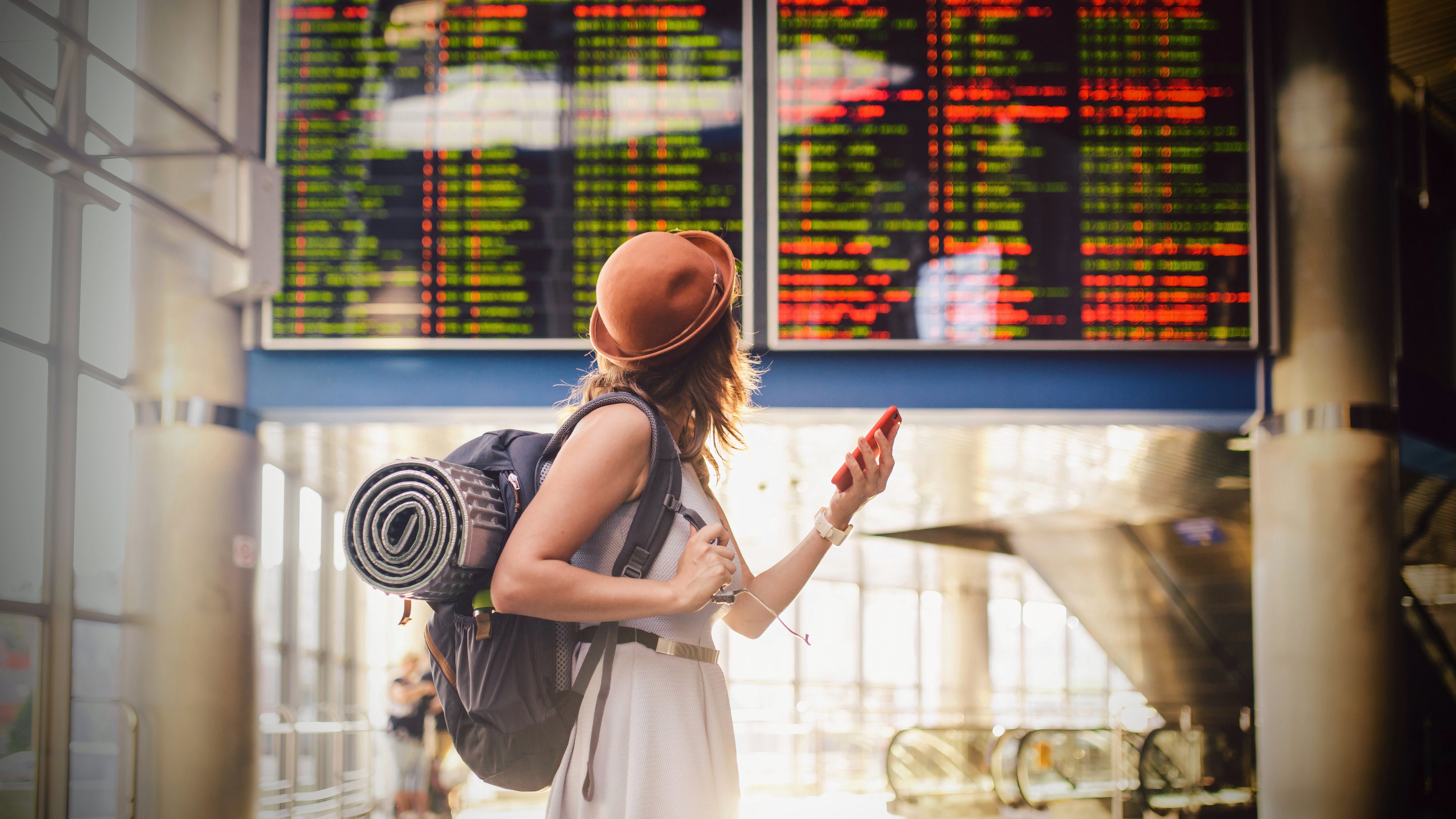
If you’re a solo traveler who enjoys flying, brace yourself. A quiet but deeply frustrating trend has emerged across major U.S. airlines. Solo passengers are now being charged more than those booking in groups of two or more.
According to travel researchers, American Airlines, United Airlines, and Delta have introduced fare rules that sometimes require at least two passengers to access the cheapest seats. In some cases, this means solo travelers are paying up to 70% more for the exact same flight. That’s right. U.S. airlines have quietly raised fares as high as 70% for solo travelers and people are finally noticing.
This pricing tactic has sparked outrage and raised serious concerns about fairness, transparency, and the future of solo travel. Here’s more about how it was discovered, why it’s happening, who’s most affected, and what solo travelers can do to avoid getting stuck with an inflated fare.

Related
Who Discovered This Trend?
This frustrating trend didn’t come from an airline press release. It was uncovered by Thrifty Traveler, a trusted flight deal and travel analysis website. The discovery emerged while the site’s team was analyzing hundreds of domestic one-way fares, looking for price patterns.
What they found was somewhat shocking. Fares were significantly cheaper when booking for two or more people. For instance, a one-way Delta flight from Minneapolis–St. Paul (MSP) to Miami (MIA) in early September costs at least $199 for a single passenger. But when searching for two passengers, the price falls sharply—to just $118 per ticket. That means solo travelers are paying about 68.6% more for the same flight.
Thrifty Traveler noted that the price discrepancies weren’t isolated to one or two routes and that they were showing up across multiple domestic itineraries, hinting at a broader strategy being tested by the airlines.
Thrifty also found that, for example, a one-way ticket from Chicago O’Hare to Peoria, Illinois on United, costs $269 for a solo traveler. But when booking for a group of up to four, the same ticket dropped to $181 per person—a nearly 50% markup for flying alone.
And American Airlines is up to the same thing. Take a flight from Charlotte (CLT) to Fort Myers (RSW) this fall: a solo traveler will pay at least $422 for a one-way economy ticket on October 13. But when searching for two passengers, the fare drops significantly—to just $266 each. That’s a 58.6% increase for those traveling alone. The price falls even further if you opt for American’s basic economy option.
Solo Vs. Group Pricing Across Three Major U.S. Airlines:
|
Airline |
Route |
Solo Fare |
Fare for 2+ Passengers |
Price Drop / Percent Higher (vs Group Fare) |
|---|---|---|---|---|
|
Delta |
(MSP) → (MIA) |
$199 |
$118 per person |
$81 / 68.6% |
|
United |
(ORD) → (PIA) |
$269 |
$181 per person |
$88 / 48.6% |
|
American |
(CLT) → (RSW) |
$422 |
$266 per person |
$156 / $58.6 |
View From the Wing confirmed the trend and said American Airlines appears to have led the charge. Internally, this pricing model has even been labeled “P2,” shorthand for “Passenger 2”, which means discounts only apply when at least two people are flying together.
Why Solo Travelers Are Being Targeted By Airlines
Airlines haven’t publicly commented on the fare changes, but industry analysts have a clear theory. Solo travelers are often business travelers, who book last-minute and are generally less sensitive to price. By creating fare classes that only offer cheaper prices to groups, airlines are effectively targeting those perceived to have a corporate travel budget.
Historically, airlines have segmented their pricing based on timing, demand, and class. But this shift reflects a more targeted approach, where customer behavior such as traveling alone is being used to predict and extract higher fares.
Although this change doesn’t affect every route or every booking, it’s becoming more common. If you’re flying solo and your fare seems unusually high, it may not be a coincidence.
Fare rules examined by analysts back up this assumption. On some bookings, discounted prices include a condition: “Must be accompanied on all sectors in same compartment by at least 1 adult 15 or older.” Solo bookings do not qualify for that fare class, even if seats are available.
This subtle tactic flips traditional fare structures. In the past, group bookings could sometimes increase ticket prices if the lowest fare was only available for one person. Now, airlines are moving in the opposite direction. Rewarding groups and penalizing individuals is becoming the norm.
Not All Solo Travelers Are Being Targeted—Yet

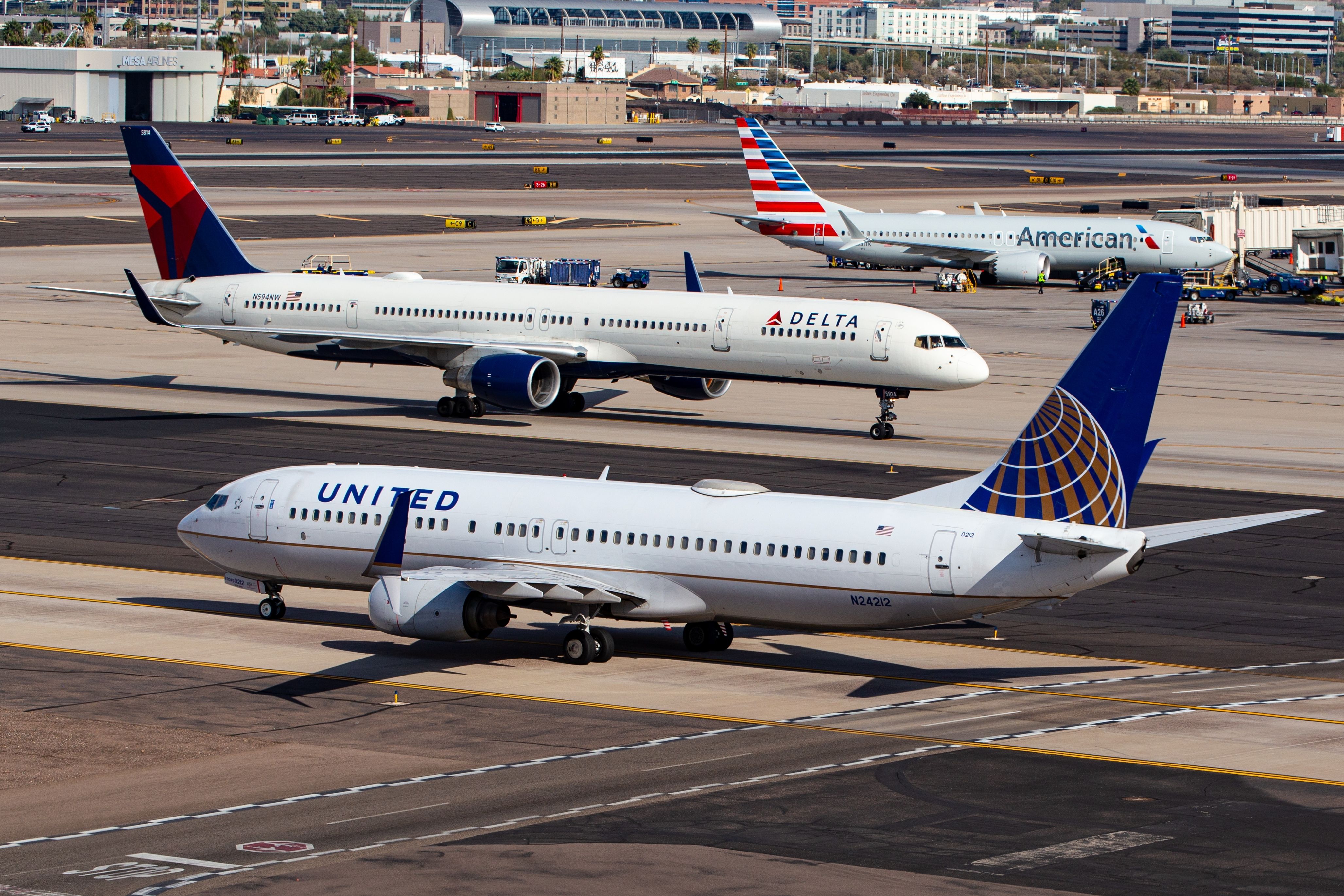
United, Delta, and American Airlines passenger planes at Phoenix Sky Harbor International Airport, Phoenix, Arizona, AZ, USA
While the practice is undeniably frustrating, it’s not yet universal. Experts suggest this pricing model may still be in a testing phase, possibly limited to select routes as airlines gauge consumer response.
So far, it’s been spotted mostly on short-haul domestic flights, where price comparisons are easier to analyze. Affected flights include routes like Chicago to Peoria or other regional legs where business travel is common.
United Airlines, after receiving public backlash, has reportedly walked back the policy, though not explicitly. American Airlines has yet to comment, and Delta remains silent, though both continue to be flagged in fare tests by travelers.
This limited rollout suggests that airlines may be experimenting with solo traveler pricing models without drawing widespread attention. If the backlash grows or if the practice proves unprofitable, it could be abandoned. But if it succeeds in increasing revenue with minimal resistance, it may become more common.

Related
Southwest Airlines Announces Major Fare Restructuring, Introduces Four New Price Tiers
The latest in Southwest’s evolving passenger experience, the new fare bundles will begin rolling out in May.
Tips For Solo Travelers To Avoid Overpaying
Young woman on airplane with tablet and headphones
There are plenty of travel hacks to save money when flying, like stuffing a pillowcase with personal items to dodge baggage fees, but if you prefer or need to travel alone, avoiding inflated solo fares now requires a bit more strategy.
Start by checking prices for two or more passengers, even if you’re only booking for yourself. In some cases, adding a second traveler will unlock cheaper fare options that don’t appear when searching for just one ticket. If airline policies allow, you might be able to cancel or simply forfeit the extra seat after booking at the lower rate.
Flexibility is another key advantage. Being open to different travel dates and times can help you steer clear of flights affected by group-only fare restrictions. Tools like Google Flights, Hopper, or Thrifty Traveler can help you track pricing trends and snag better deals with less guesswork.
Don’t hesitate to contact the airline directly. If you notice that a flight only offers discounted fares to groups, ask for clarification or see if a representative can offer an exception. Some agents may be aware of the issue and able to help, especially if you flag the policy as unfair.
Finally, if you come across unfair pricing, speak up. Share your experience on social media or with travel blogs. Public backlash has already led at least one airline to quietly back off and more pressure could bring broader change.
Summary of practical steps to help avoid overpaying:
- Check fares for 2+ passengers
- Be flexible
- Use fare-tracking tools
- Contact the airline directly
- Share your findings
Solo travelers are rightfully upset and for good reason. What began as a niche observation from travel analysts has turned into a glaring example of how airline pricing can quietly shift in ways that punish unsuspecting customers.
As this new pricing model spreads, travelers must stay alert and vocal. The idea that flying alone should cost significantly more is not just unfair, it’s out of step with modern travel habits. If American Airlines and others don’t reconsider, they may find themselves facing a backlash bigger than any fare increase can justify.
link