A Guide to Croatia’s Cruise Ports, From Hot Spots to Hidden Gems
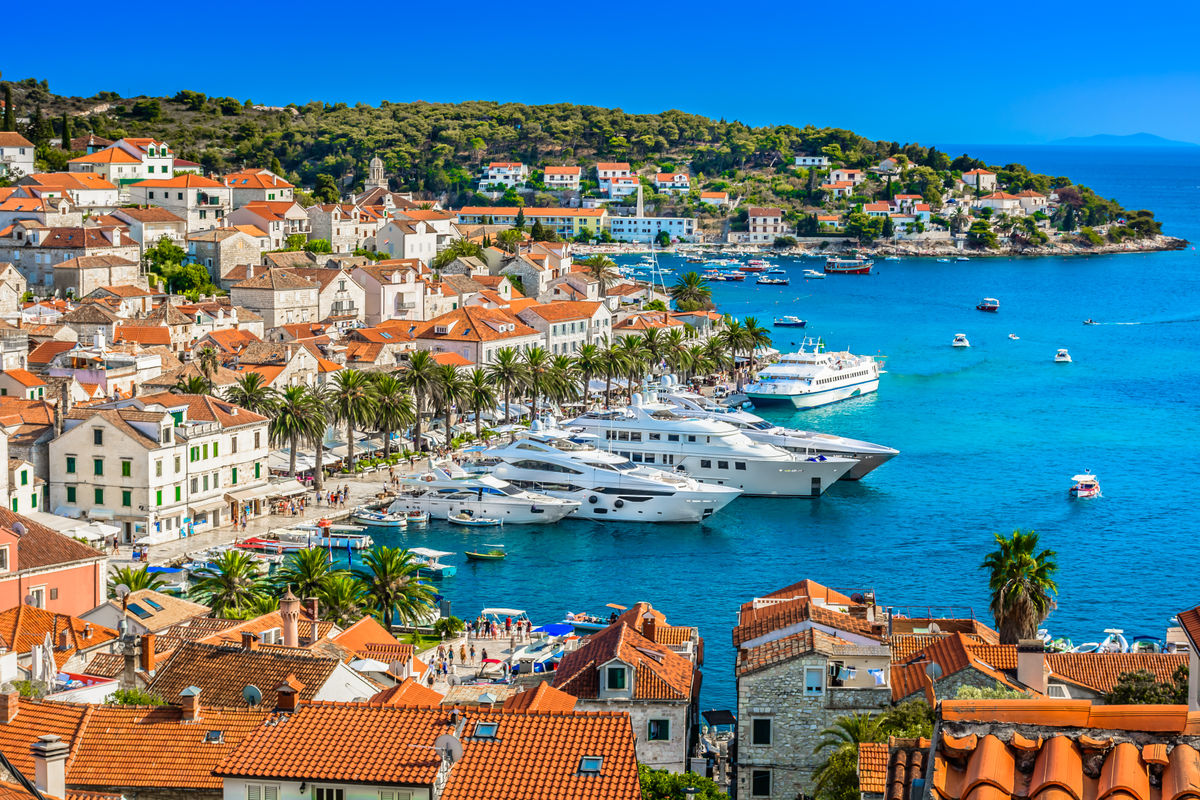
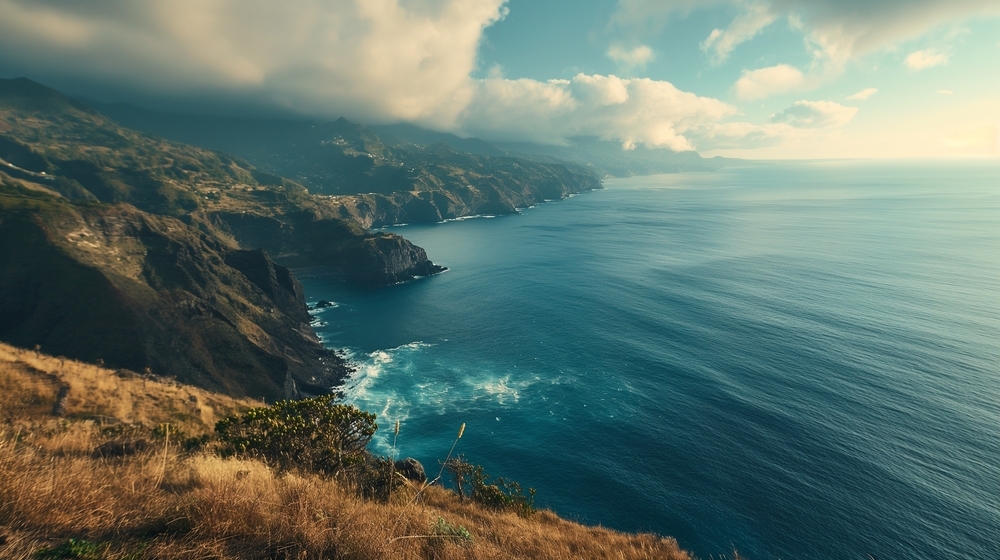
Clients cruising Croatia’s Dalmatian coastline are in for a true treat — the crystal-clear Adriatic Sea, with its myriad shades of blue, is a stunning conduit to some of the country’s best-known cities, as well as its most charming lesser-known gems.
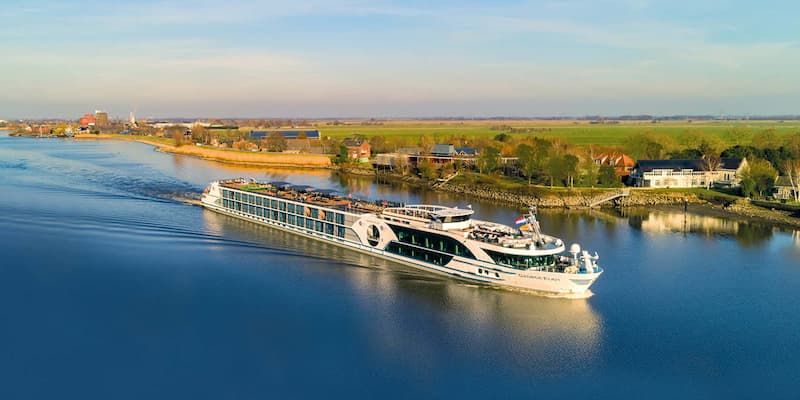
On a recent trip of my own, I saw how small-ship cruises and charters provide an ideal way to explore this region, allowing for quick and easy travel between island destinations with flexible time onshore for exploration. Best of all, smaller ships can dock in ports both large and little, giving travelers access to unique locations that they might otherwise miss.
Whether clients are choosing between set itineraries or planning a custom yacht charter, here are a few standout ports they should visit, and suggestions for how they can spend their time in each lovely locale.
Croatia’s Coastal Hot Spots
Dubrovnik
If there’s one place in Croatia that clients will already know they want to visit, it’s likely Dubrovnik, which gained popularity when it was used as a filming location for HBO’s “Game of Thrones.” Luckily, the hype is not overblown — the city’s well-preserved medieval architecture and fortifications, especially in the UNESCO World Heritage-listed Old City, are wonderous to behold.
RELATED: Want to Sell Croatia? Via Croatia Works Exclusively With Travel Advisors
Travelers can walk along the top of the impressive wall that encircles the Old Town (tickets were about $45 during my summer visit and crowds can be intense) or opt to explore within, as I did. Whether on a guided tour or an independent walk, the grid-like layout of streets is easy to navigate with many landmarks along the way, plus plenty of shops and cafes.
For alternative views, clients can take the Dubrovnik Cable Car above the city or paddle around its perimeter by kayak.
Split
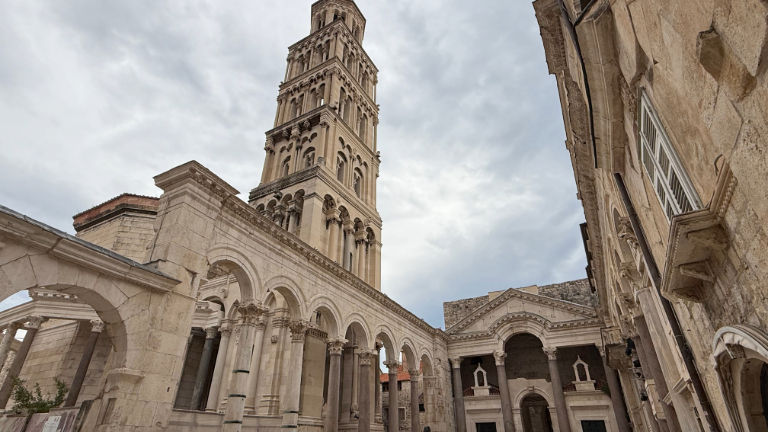
Croatia’s second-largest city charmed me from the get-go with its palm-tree-lined waterfront promenade and incredible Roman palace that encloses a bustling, labyrinth-like city center. To this day, people live and work inside the walls of Diocletian’s Palace, the ancient retirement residence built as a fortress complex by Roman Emperor Diocletian. But it remains a treasure-trove of striking architectural features, columns and sphinxes brought over from Egypt, and modern businesses such as shops and restaurants. Clients would do well to take a guided walking tour here, to get a full picture of its fascinating history.
Credit: 2025 Kelly Rosenfeld
After they wander, recommend that clients stop for a bite at Bokeria Kitchen & Wine, a modern Dalmatian restaurant. Highlights of my exceptional meal there included local specialties such as crni rizot (black risotto made with squid or cuttlefish ink) and Istrian truffle pasta, as well as more broadly Mediterranean fare such as cured meats and burrata with fresh fruit and balsamic glaze.
Hvar Town
Though one of the more crowded ports I visited, Hvar (the name of both the town and its island) was among my favorites for independent exploration. Luxury yachts dot the harbor here, while the city itself is a maze of streets and stairways.
If guests choose to climb to the fortress at the top, they’ll be rewarded with panoramic views, and there are plenty of charming alleyways to wander on the way up — my own jaunt led me to a tasting of award-winning local olive oil and a pearl jewelry purchase. Afterward, travelers can take a break with a coffee or cool drink paired with prime people watching at an outdoor cafe on bustling St. Stephen’s Square. (I’m told there’s also a popular nightlife scene, though I wasn’t in town overnight.)
Hidden Gems of the Dalmatian Coast
Mljet Island
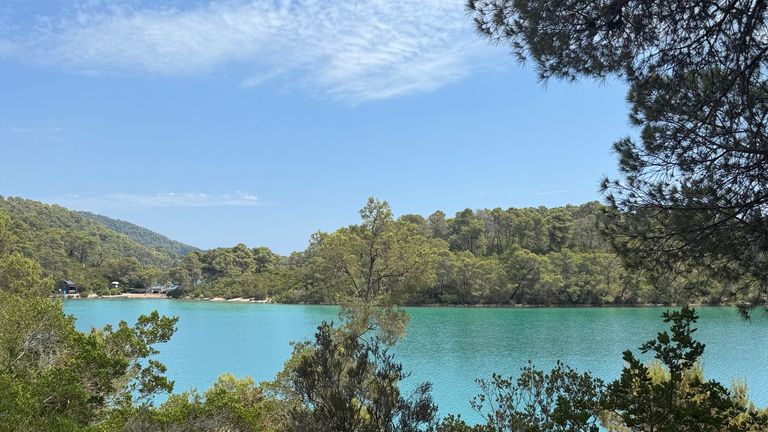
The main reason to visit this island is Mljet National Park, with its two strikingly aquamarine saltwater lakes. It’s an easy hike (more of a walk) from the park’s entrance at Pomena to its main hub, where I joined a small crowd swimming in the warm, emerald waters of the lakes. For something more active, there are plenty of hiking paths, as well as bike and kayak rentals. Visitors can also take a boat ride to the small Isle of Saint Mary, crowned with a Benedictine monastery that dates back to 1198.
Credit: 2025 Kelly Rosenfeld
RELATED: 3 Must-See National Parks in Croatia
Outside the park, the small village of Pomena is home to a line of waterside restaurants that offer seafood by weight, from freshly caught fish to shrimp, lobster, octopus, langoustine and more. Among the options, I would highly recommend Konoba Galija — the upper deck provided prime viewing of an hour-long, constantly evolving sunset that I couldn’t tear my eyes from, while the patient waitstaff helped our group of confused Americans understand the menu and order an appropriate amount (not so easy in kilograms).
Makarska
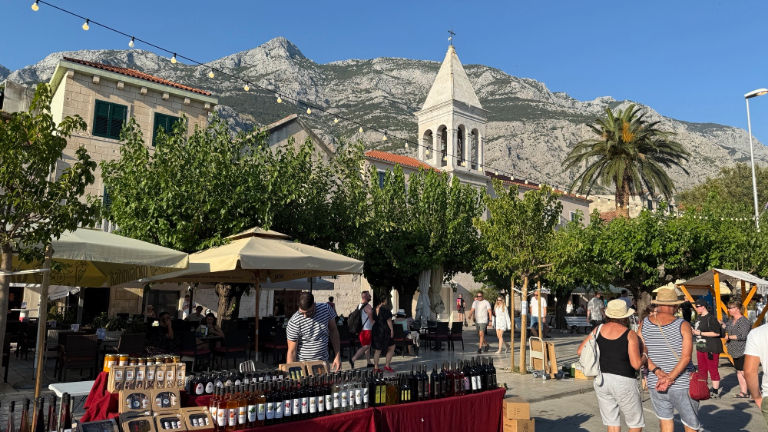
Picturesque Makarska is an idyllic town to wander, framed on one side by its marina and on the other by craggy mountains. As if it wasn’t already charming enough, I was lucky to be in town on a Fisherman’s Night, one of seven summer evenings when the streets fill with revelers enjoying music, games and vendors cooking up all manner of seafood.
Credit: 2025 Kelly Rosenfeld
While wandering past stall after stall, it took all my willpower not to give in to the smoky aromas of grilled seafood (I was, sadly, on my way to another dinner), tempting me to pull up a chair with the locals and dig into an overflowing plate of treats from the sea.
RELATED: This Company Can Help Arrange Immersive, Local Experiences in Croatia
Stari Grad
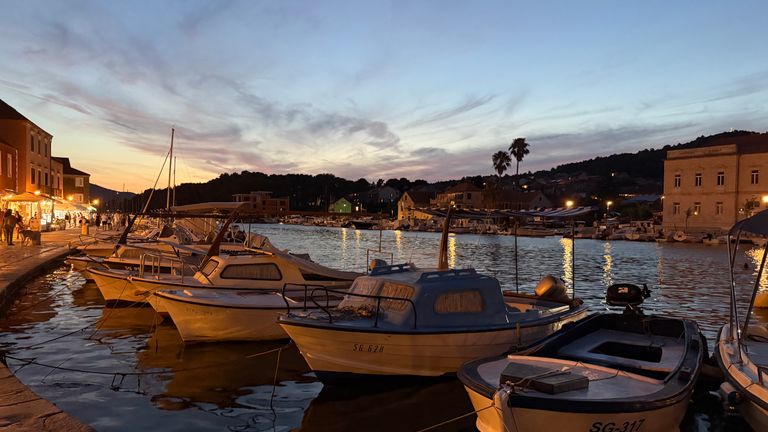
Located on the island of Hvar, Stari Grad is a smaller, quieter and less crowded sibling of Hvar Town. Considered one of the oldest towns in Europe, Stari Grad was founded by the Greeks in the fourth century. Its biggest claim to fame is Stari Grad Plain, an agricultural center that has been maintained from ancient Greek times to modernity (24 uninterrupted centuries), earning it UNESCO World Heritage status. Consider helping clients arrange a visit to a working farm on the plain, such as Hora.
Credit: 2025 Kelly Rosenfeld
Korcula
The tiny island of Korcula spans just 106 square miles, but its small size doesn’t stop it from making a big claim: It’s said that famed explorer Marco Polo was born here (though there’s little conclusive evidence on the matter). Korcula has an exceptionally well-preserved old town with a 15th-century cathedral (visitors can climb to the top of its bell tower), a Town Museum inside a 16th-century palace and more.
Credit: 2025 Kelly Rosenfeld
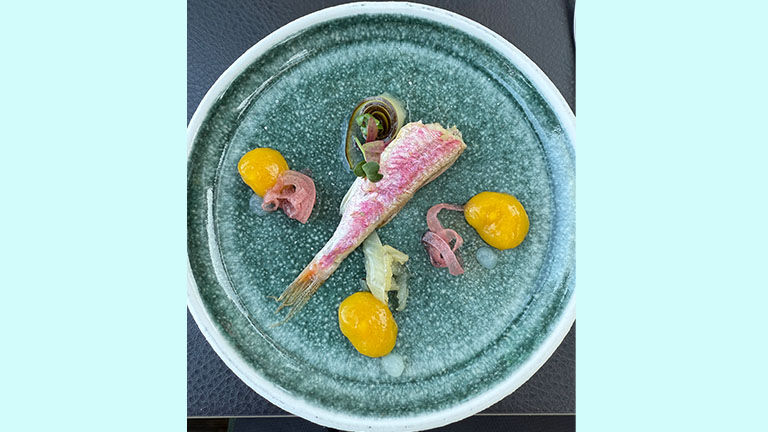
Along the promenade, charming outdoor restaurants overlook the Adriatic Sea — among them, Michelin Guide-recommended Filippi is a standout. The restaurant offers a three- or four-course menu of modern Dalmatian cuisine, including dishes such as cold roast beef with mustard, microgreens and pickled onions; white fish with black olives and pea cream; and a unique carrot gnocchi.
Bol
The town of Bol, on the island of Brac, is best known for its uniquely shaped Zlatni Rat (Golden Horn) beach, which juts out into the sea, a mini peninsula surrounded by bands of different blues. The beach itself is quite rocky, but visitors can rent a lounger if they prefer to be off the pebbles.
A bonus: The 20-minute (or so) walk from town to the beach is a pleasant and scenic one, with a shaded path offering stunning viewpoints, small bars and coffee stands along the way. (There is also a tram that runs between the two points for a small fee for those who prefer not to walk.)
link