Canadian Government Issues Travel Alerts On Fatal Hazards, Currency Changes, And Entry Requirements In Popular Destinations
Ahead of Christmas week, the Government of Canada issued several travel alerts about potential detention over money laws and life-threatening risks in snowbird destinations. A series of new advisories was released over the past week, warning Canadian travelers about deadly weather conditions in two popular destinations, including the U.S.
Security and health risks were also raised for other vacation spots across Europe, Asia, and the Americas. But not all of Canada’s new travel notices highlight alarming dangers. The Canadian government also released new information on a convenient currency change in a European getaway, as well as easier entry to an East Asian bucket-list destination. Here are Canada’s latest travel advisories for the new year.
Canada Warns Travelers Of Egypt’s “Fatal” Dust Storms And U.S.’ Record Rainstorms In Southern California

On Christmas Eve, the Government of Canada updated its information on earthquakes and potentially “fatal” sand and dust storms in Egypt. Canada’s Level 1 travel advisory for the U.S. was also updated due to Southern California‘s record rainstorms, leading to its wettest Christmas Eve and Christmas Day.
The Natural Disasters update for Egypt cautions travelers about the rare but possible occurrence of minor earthquakes, especially in the Red Sea and Eastern Sinai, as they are located in an active seismic zone. Canadian travelers are also warned that sand/dust storms in Egypt, which often peak between late February and May, can cause tough driving conditions and respiratory issues that can be fatal for some people.
Other than that, Egypt remains a generally safe tourist spot with its Level 2 (“Exercise a high degree of caution”) travel advisory, though some regions have Level 3 and Level 4 warnings. As for the U.S., Canadians are still advised to “take normal precautions” when visiting.
But those planning a Southern California trip are advised of the state of emergency declared in the following counties due to rainstorms that have led to flooding, rockslides, and mudslides:
- Los Angeles
- Orange
- Riverside
- San Bernardino
- San Diego
- Shasta
Widespread flash flooding in these areas has reportedly impacted transportation, power, water and food supply, as well as communication, emergency, and medical services. At least four people were killed during the severe storms that swept California during Christmas week, while 5.91 inches of rain were recorded at the Santa Barbara Airport.
Canada Raises Security Risks In Italy, Cambodia, Myanmar, Bolivia, And Venezuela

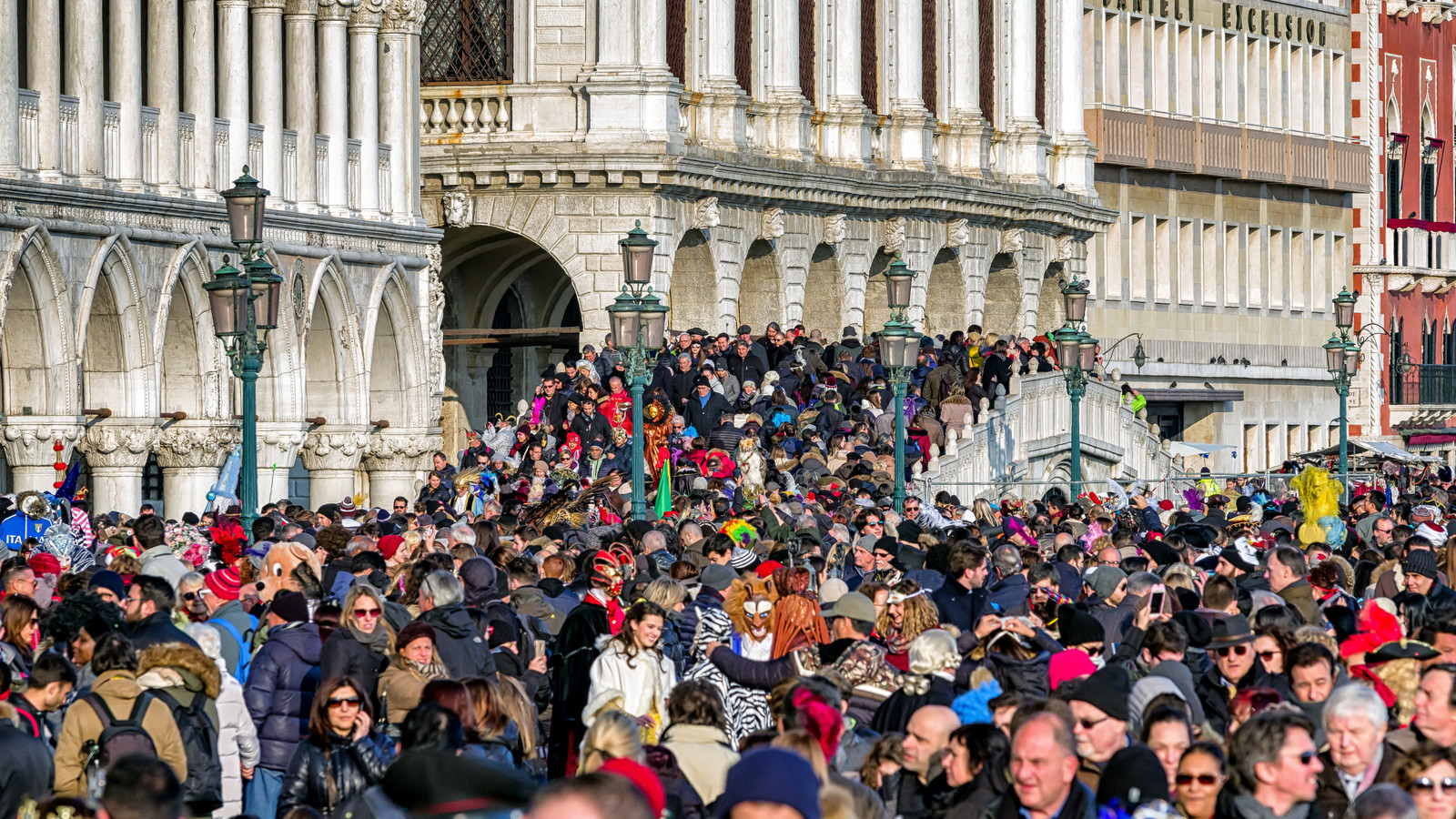
The Canadian government added some security risks for Italy and Bolivia, which both have a Level 2 travel advisory. Canadian travelers are warned about a stronger security presence, traffic/movement disruptions, large crowds, and public gatherings in northern Italy, where the Milan Cortina Olympic Winter Games will take place from February 6–22, followed by the Paralympic Winter Games from March 6–15, 2026.
Bolivia, a booming affordable option for adventurous travelers, remains generally safe but has had an increased risk of roadblocks since Dec. 19. This is due to transport strikes and demonstrations happening in La Paz, Santa Cruz, Cochabamba, and other areas. Some roadblocks might affect the transport of goods and access to other major cities, as well as airports.

Cambodia, the “Kingdom of Wonder,” was given a regional Level 3 (“Avoid non-essential travel”) warning for areas 50 to 80 km from its border with Thailand amid ongoing conflict. However, Cambodia maintains an overall Level 2 risk, making it generally safe for Canadians to visit major cities and tourist sites, but with required awareness of petty crime.
Myanmar and Venezuela, both under Level 4 (“Avoid all travel”) advisory, were slapped with new heightened security warnings. Travelers are warned about Myanmar’s upcoming elections (Dec. 28, Jan. 11 and 25, 2026) that could lead to a spike in violence, civil unrest, armed attacks, and kidnappings. The latest travel advisory for Venezuela simply reminds Canadian citizens about closed borders and airspace, and suspended flights that reduce exit options.
Canada Informs Travelers About Bulgaria’s Euro Adoption And South Korea’s Entry Rules
Moving on to the lighter side of Canada’s latest travel advisory updates, the Canadian government issued an alert about Bulgaria officially adopting the euro (EUR) starting Jan. 1, 2026. Those with the outdated Bulgarian Lev (BGN) currency can still get it exchanged for free until Jan. 31.
This development sparked mixed reactions among tourists. While it is convenient for a smooth Eurozone trip, some fear it could drive up the travel costs in Bulgaria, which is famously a cheaper, “backpackers'” European destination.
A minor clarification was also added to Canada’s travel advisory Level 1 travel advisory for South Korea, informing Canadians that they are exempt from its Korea Electronic Travel Authority (K-ETA) requirement until December 31, 2026.
Unless another extension is made, starting Jan. 1, 2027, Canadian travelers will likely have to apply for a K-ETA form at least 72 hours before departure and pay 10,000 KRW ($CAD 9–10). It is valid for three years, for multiple entries.
Canadian Government Issues Health Notices For Mexico, Panama, And Peru

Ahead of the 2026 FIFA World Cup, Canada released a Level 1 health notice for Mexico, currently under a Level 2 travel advisory (with regional Level 3 warnings). Sports fans are warned about risks related to large crowds: illness, injury, and contact with sick people (drinks, food, hand hygiene).
Canadians heading to this event are advised to familiarize themselves with local medical services and emergency contact information, as well as Canadian offices. While Canada has not changed its Level 1 travel advisory for Panama and Level 2 warning for Peru, the government added information on the Oropouche virus disease (OVD) for both countries.

Due to the surge in cases, both Panama and Peru are on Level 2 (“Practice enhanced health precautions”). OVD is spread to humans by the bite of an infected midge (a small fly also known as no-see-ums) or some type of mosquito.
It rarely leads to serious illness, but pregnant women are advised to consult their health care provider about the risks of traveling to areas with known cases. There are no vaccines to prevent OVD, so travelers are highly cautioned about mosquito bites in areas with OVD risks.
For more warnings and actionable guides on your New Year’s destination, make sure to check the Government of Canada’s travel advice and advisory page.
link