The Ultimate Guide to Iceland in November

Lava Caving in November in Iceland
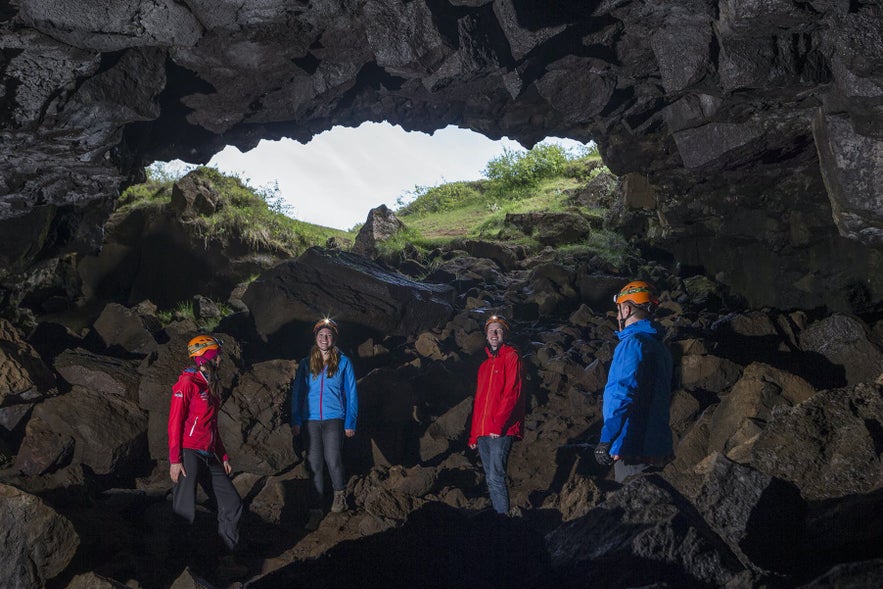
November is one of the best times for lava caving in Iceland. The colder temperatures create delicate ice formations along the rocks, offering a striking contrast of fiery red and sky blue. Caving is especially appealing in winter, which offers shelter from the cold and unpredictable weather outside.
Popular caves to explore in November in Iceland include Vatnshellir, Vidgelmir, and Raufarholshellir Lava Cave. Inside, you can see ancient stalagmites and stalactites, magma columns, and paleochannels. These are the petrified paths of ancient underground lava rivers. Some caves even contain remnants from the Settlement Age, offering a glimpse into early Icelandic animal husbandry.
Those who dare to enter this enchanting subterranean world will gain a deeper understanding of Iceland’s geological makeup. Your guide will explain how the caves formed and how mythical Icelandic outlaws once used them for shelter.
At one point, you may even be asked to turn off your headlamps while seated in the bowels of the cave to experience the pitch-blackness surrounding you!
How To Get Around Iceland in November
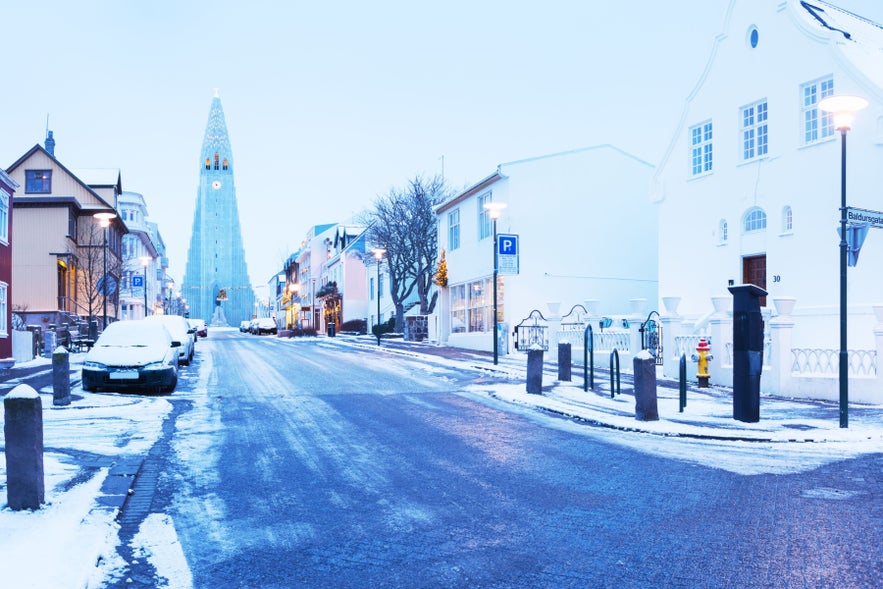 So, now that you know what you might want to do in Iceland in November, you might be wondering about the best way to get around.
Arriving in Iceland
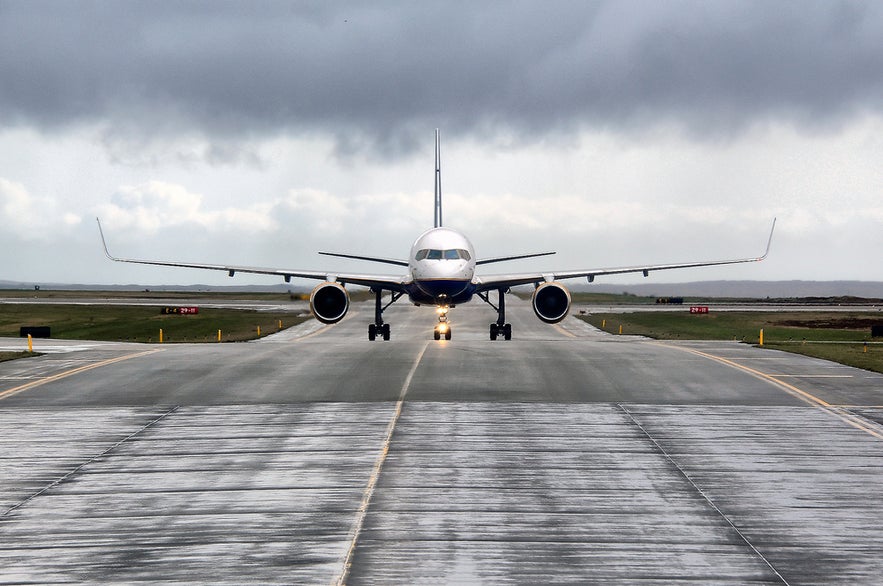
If you’re traveling to Iceland in November, you’re in luck—flights to Iceland at this time of year are usually considerably cheaper than at other times of the year. If you book your tickets a few months in advance, tickets shouldn’t cost too much at all.
For round-trip flights from the US, the summer rate is usually double the rate in November, so it’s definitely easier on the wallet to travel to Iceland during this time of year. The price dip also goes for the vast majority of international gateways, so there’s an opportunity to save money for everybody.
The reason for this discrepancy? November isn’t within the peak season in Iceland. But don’t let that put you off visiting. Those who arrive in November will find fewer crowds, a wider choice of hotels in Iceland, and a unique winter wonderland almost entirely to themselves.
Traveling Around Iceland in November
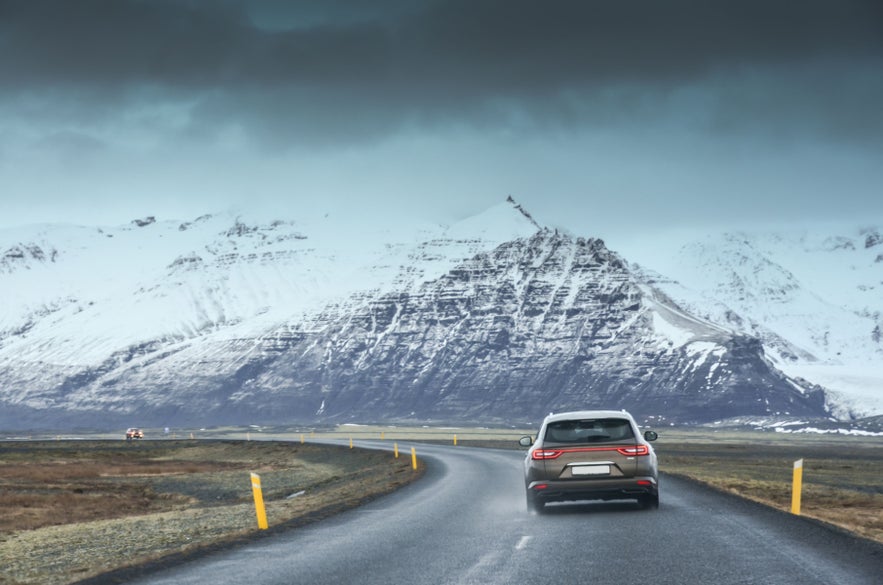 The Ring Road, Iceland’s main highway that circles the country, is usually cleared of snow and ice regularly. A self-drive tour of the Ring Road in November is possible, as all rental cars are legally required to have winter or studded tires, which provide much-needed traction on icy roads. However, conditions can still be more challenging in the northern parts of the country, so extra caution is advised.
Driving in Iceland in November can be dangerous, especially if you plan to venture off the Ring Road onto smaller or more remote roads, which are often not plowed or gritted in winter. If you’re uncomfortable driving in wintry conditions, joining an organized tour is a safe and convenient way to explore the country, including areas that can be tricky to reach on your own.
Tours that Operate in Iceland in November
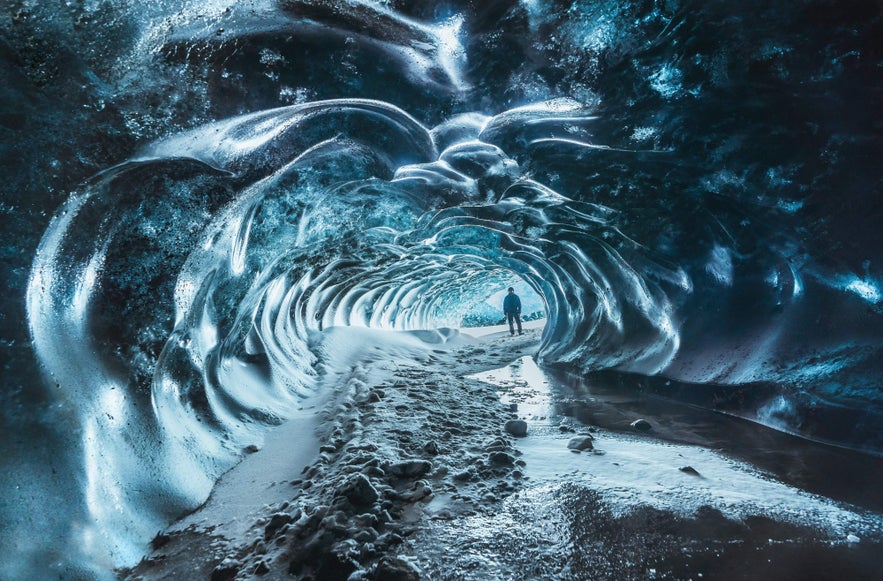
Most summer tours and autumn adventures in Iceland are still available, so you can enjoy a wide range of experiences in November. Even in November, you can take part in some of Iceland’s most popular and unique tours.
Winter excursions offer a fresh perspective on the country’s landscapes, showcasing Iceland’s seasonal diversity and remarkable opportunities for adventure. Cold temperatures aren’t a problem, as tour operators provide thermal wear to keep you warm. Activities like winter horseback riding, diving in Silfra, or glacier hiking in Skaftafell can be just as comfortable as in summer.
What’s Going on in November in Iceland?
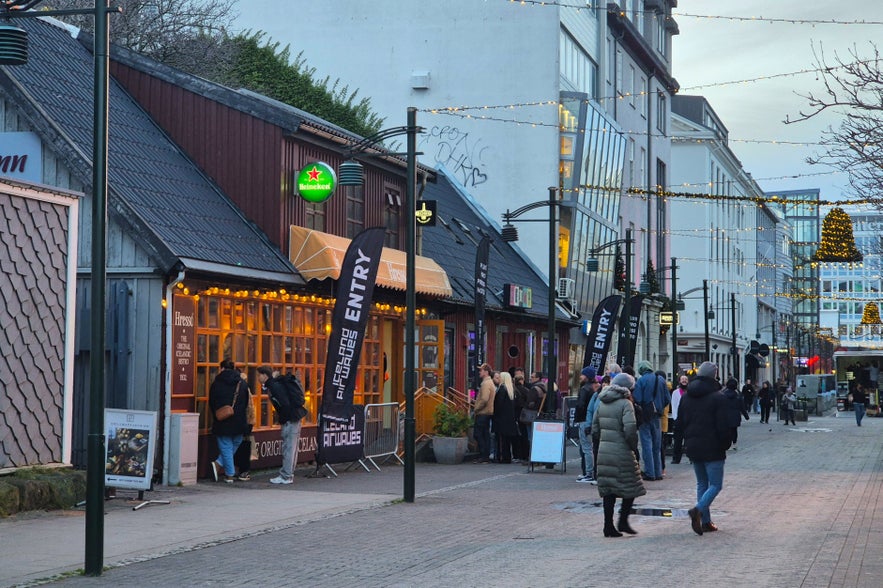
November is a good month to visit for those who want to get deeper into the local culture, especially if you’re a big music lover. The weather in November might be cold, but the top live music venues of Iceland are ablaze with events to keep things hot!
Iceland Airwaves
 ▶” title=”Iceland in November: Everything You Need To Know – video” style=”border: 0px; overflow: hidden;” class=”lazyload”>
Iceland Airwaves is the country’s biggest and most beloved festival, attracting both local and international talent, as well as music fans from all over the world. For three melodious days and nights, the country transforms into a musical composition itself, with almost every establishment—cafes, bars, art galleries—showcasing incredible performers.
Rolling Stone writer David Fricke called Iceland Airwaves “the hippest long weekend on the annual music festival calendar.” Jonah Flicker of Pitchfork Magazine cited the festival’s “unbelievable zest for music and celebration.” What more could you want?
The festival has come a long way since its first appearance in 1999, which was held in an aircraft hangar at Reykjavik Airport. These days, it’s known for its good-time atmosphere, intimate performances, and wealth of new talent. Iceland Airwaves has become one of the premier events of Reykjavik’s social calendar, attracting music journalists and scouts worldwide.
Previous line-ups have included a mix of Icelandic artists like Bjork, Of Monsters and Men, and Sigur Ros, to name just a few, and international artists, including The Flaming Lips, Fatboy Slim, and Vampire Weekend.
Grab a ticket and get ready for great music and great fun!
Icelandic Language Day: November 16
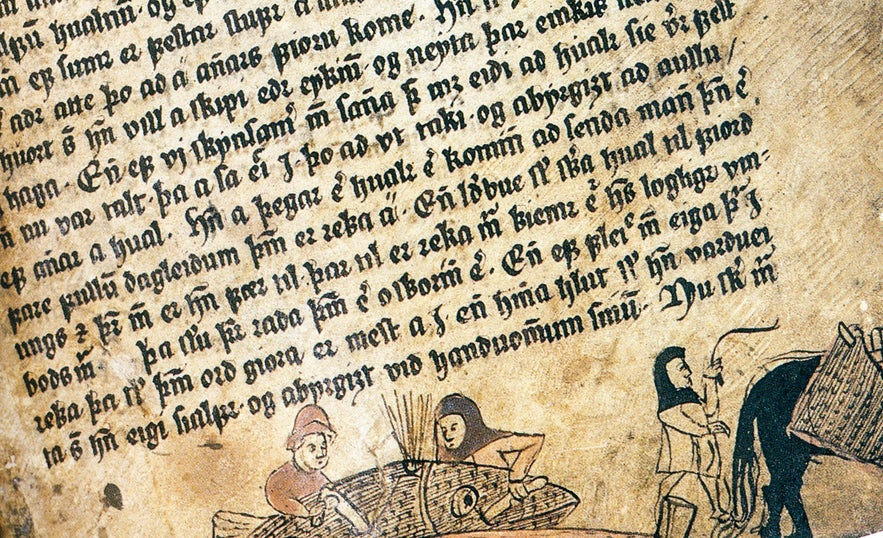
November 16 is Icelandic Language Day, a celebration of the country’s unique language and a reminder of the importance of preserving it in a global age. The holiday has been celebrated since 1996, and its name translates literally to “day of the Icelandic tongue.”
The Icelandic language has an incredibly complex declension system. I It’s noted for its use of neologism (as opposed to using foreign loan words). For example, the Icelandic term for a computer is “tölva,” comprised of the words “to count” and “oracle.”
Icelandic Language Day coincides with the birthday of the beloved Icelandic poet and naturalist Jonas Hallgrimsson (16 November 1807 – 26 May 1845). He was one of the founders of the Icelandic-language journal Fjolnir, published in Copenhagen between 1835 and 1847. This journal played a key role in obtaining Iceland’s independence from Denmark.
On November 16, Icelanders, especially Icelandic youth, are encouraged to speak only in Icelandic. Many cultural and educational exhibitions are hosted at venues around Reykjavik, including the beautiful Harpa Concert Hall. There are also many awards handed out to those who have helped promote Icelandic literature and language over the last year.
Advice for Visiting Iceland in November
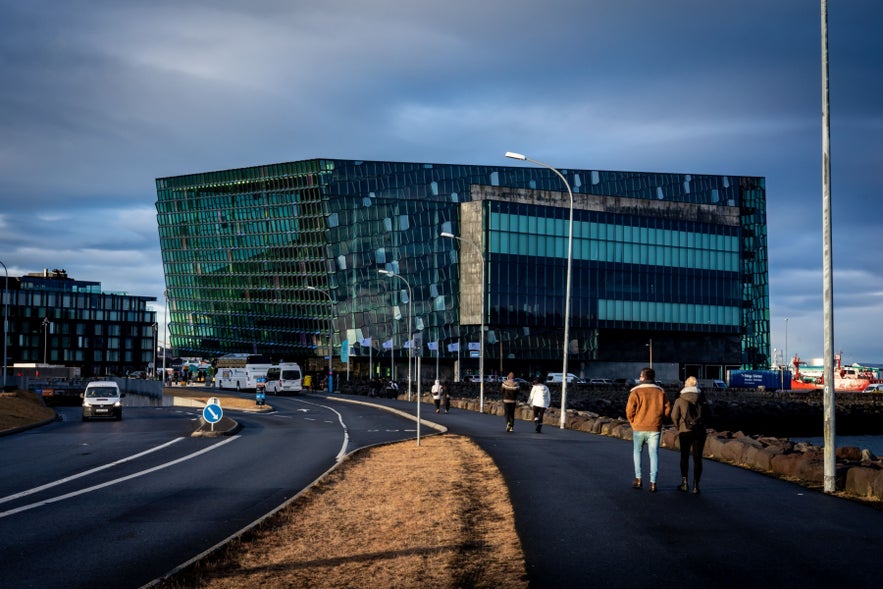 It’s never good to be caught unaware when traveling, but this is particularly true when visiting a near-Arctic country in winter. Good preparation is key if you want to have an enjoyable trip, so here is some good advice for anyone visiting Iceland in the early winter.
Pack Your Thermals
It should go without saying, but Iceland in November is cold. It’s the beginning of winter, and as your trip progresses, the temperature is going to drop.
With that in mind, you’ll want to wear several layers of thermally protective clothing if you want to ensure that the harsh climate doesn’t get in the way of enjoying your time here.
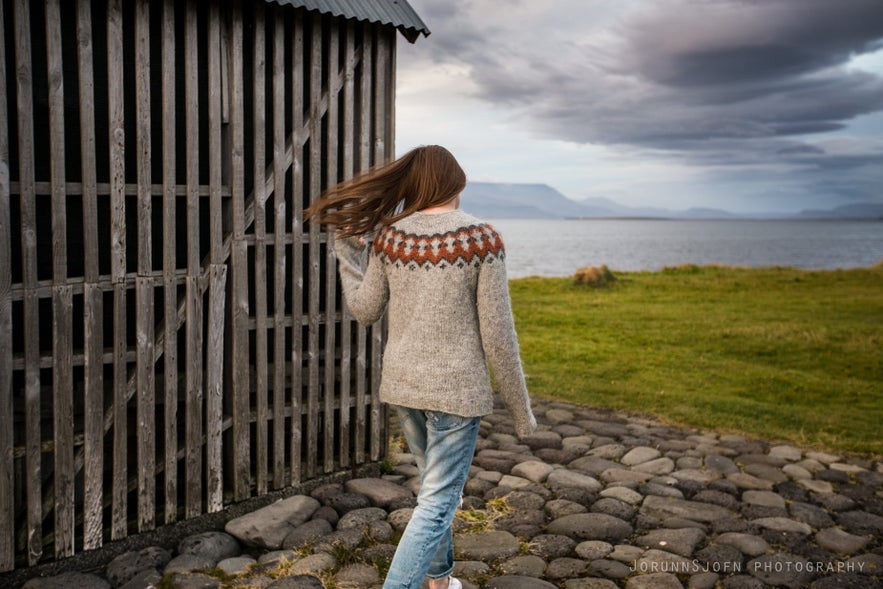
In fact, November is as good a time as any to purchase a “lopapeysa”, a traditional Icelandic sweater. The wool that’s used for lopapeysa is woven from unspun Icelandic sheep wool, called lopi. It’s fantastically warm (the sheep need to protect themselves from the cold, too!) and water-resistant, so perfect for days out in the snow.
The lopapeysa has since gone through a few fashion revivals. For example, in 1944, it became a national symbol celebrating Iceland’s independence from Denmark. The second followed the fallout of the 2008 financial crisis.
The lopapeysa is an Icelandic tradition and is often used to celebrate Icelandic identity. Its warmth, unique patterns, and cultural significance make it one of the best souvenirs to take home from Iceland.
Avoid Mountain and Gravel Roads
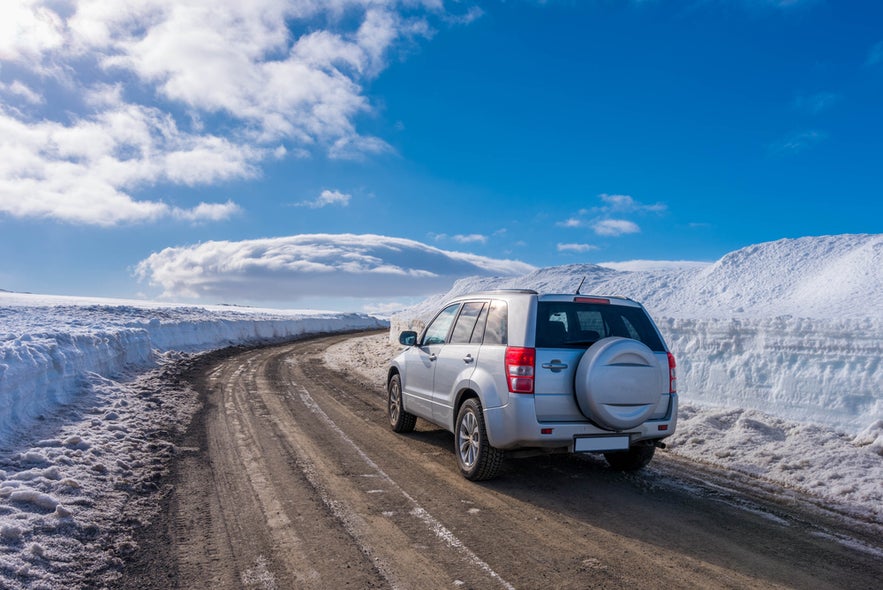
During November, you won’t be able to access Iceland’s interior highlands. However, the vast majority of attractions are still on offer, especially those dotted around the Ring Road.
Driving in November comes with hazards. Thanks to the deteriorating weather, you’re likely to encounter thick fogs, blizzards, and heavy rainfall at some point along your journey.
To keep safe in these treacherous conditions, it’s important to always leave ample room between your car and the car in front and to refrain from speeding. Iceland’s main country roads are often long, empty, and temptingly wide, but it’s crucial that you drive carefully.
It’s also worth noting that off-road driving in Iceland is illegal. If you do it, you’ll be punished with a hefty fine. Not only is driving off-road unsafe, but it also irreversibly damages the delicate balance of the country’s natural environment.
Don’t Assume That You’ll See the Northern Lights
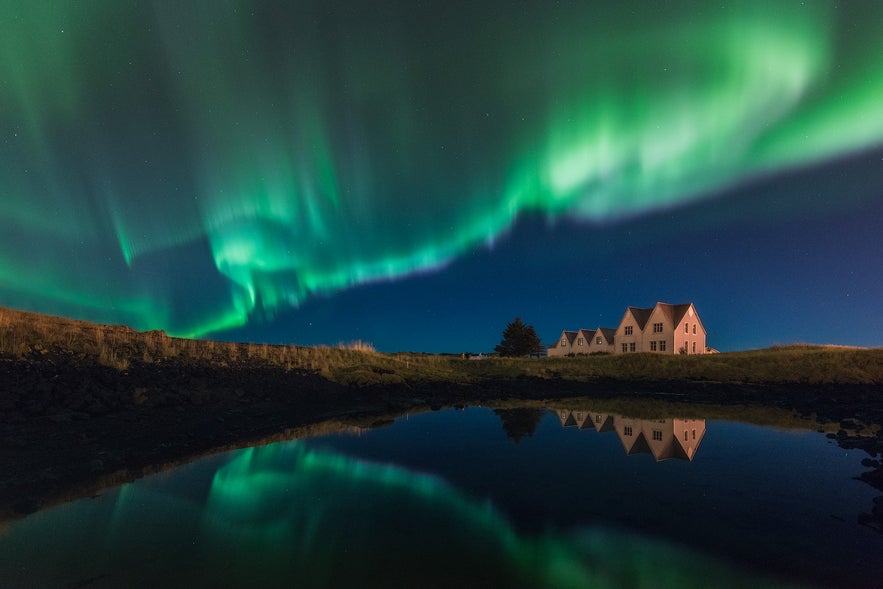
Practically everyone visiting Iceland wants to see the northern lights, and it’s easy to see why. In general, November is an excellent time to see the aurora, but there’s no guaranteeing what the cosmos will be up to on any given night. The lights are notoriously elusive, and there’s always a chance that you’ll be disappointed.
Northern lights tour operators always let their customers know well in advance if the hunt for the lights is likely to prove fruitless. Although it can be disappointing to pay for a tour and not see them, try to make the most of it and enjoy learning about the starry night sky above.
Explore Reykjavik Cafe Culture
 Icelanders are avid coffee drinkers, with the average Icelander getting through almost 20 pounds (9 kilograms) of coffee beans every year.
In fact, Icelanders love their coffee so much that you’ll sometimes find free coffee in local supermarkets, banks, and retailers. Some Icelanders even use the leftover grounds to scrub their skin after a wintry dip in the North Atlantic!
It should come as little surprise, then, that some of the best cafés in Reykjavik can be found on almost every street corner downtown. Many cafés offer free refills, so guests can sit back, soak up the city’s creative atmosphere, and while away the hours in a cozy corner. Heaven!
Icelandic coffee culture is personalized, community-driven, and fiercely competitive. This means you’re pretty much guaranteed to enjoy a cup of some of the highest-quality roasted coffee found in the world.
Frequently Asked Questions About Visiting Iceland in November
Planning a trip to Iceland in November comes with unique considerations, from winter weather to limited daylight and seasonal activities. Here are answers to some of the most common questions about visiting in November to help you make the most of your Iceland experience.
How cold does it get in Iceland in November?
Average temperatures in Reykjavik range from 1C to 8 C (33 F to 46 F), while northern and inland regions can be colder. Expect snow, sleet, and wind at times. Dressing in layers, including thermals, waterproof jackets, hats, and gloves, is essential for staying warm during activities.
Can I see the northern lights in Iceland in November?
Yes! November offers long nights and increased chances to see the aurora. Heading outside city lights or joining a northern lights tour improves your odds.
What time does it get dark in Iceland in November?
Early November sees about 8 hours of daylight, but by late November, daylight drops to around 5 hours, with the sun rising around 10:00 AM and setting at 4:00 PM.
Is the Blue Lagoon open in November?
Yes, the Blue Lagoon is open year-round, including November. If visiting, booking in advance is recommended due to high demand.
Can I drive in Iceland in November?
You can, but winter conditions make some roads hazardous. Only drive on plowed roads with a properly equipped vehicle, or consider guided tours for safety.
Can I see whales in Reykjavik in November?
Yes! Whale-watching tours operate year-round from Reykjavik, with high chances of spotting humpbacks, orcas, and other marine life.
How expensive is it to travel to Iceland in November?
Travel is generally cheaper in November than in summer. Flights, hotels, and tours tend to cost less, making it a more budget-friendly time to visit.
Recommended Itineraries for November
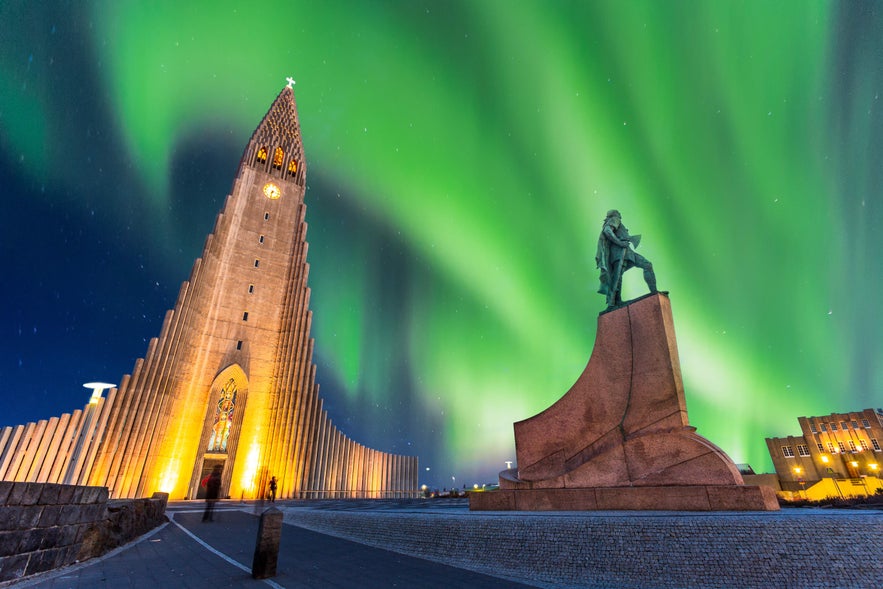
Whether traveling for four days or three weeks, following an itinerary is a great way to ensure you’re getting the best out of your time in Iceland. To help you do just that, we’ve put together a list of some of the best itineraries for November in Iceland. Check them out.
Are you planning to visit Iceland in November? If you’ve already been, how was your holiday experience in November in Iceland? We’d love to read about your time here in the comment section below.
link